
As an investor with years of experience navigating the African real estate market, I’ve witnessed firsthand the volatility that can shape the industry. From periods of rapid growth to market slowdowns, economic shifts have always played a significant role. Yet one thing has remained constant: real estate’s resilience as a reliable store of value. In an era where currency devaluation and inflation are ever-present concerns, real estate continues to stand as Africa’s hardest currency — providing not only stability but also promising growth opportunities.
In this article, I’ll share why real estate investment in 2026, particularly in Nigeria, remains a secure and lucrative asset class, and how savvy investors can use property to hedge against inflation and currency volatility.
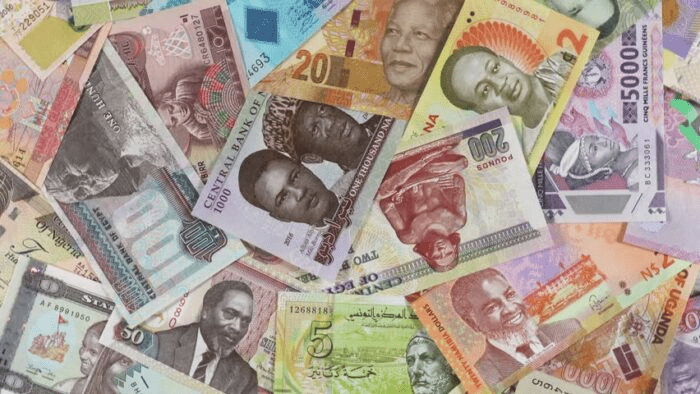
The Shift from Speculative Buying to Yield-Driven Investing
For many years, real estate in Africa has been seen largely as a speculative investment. Investors would buy property, hoping it would appreciate over time, without necessarily considering the income-generating potential of the asset. This approach has worked in the past when the market was booming, but in 2026, with inflation rates at 15.10% in Nigeria, speculative buying alone is no longer enough to protect investors from the volatility that defines the current landscape.
In today’s economy, yield-driven investing has emerged as the key to long-term success. This approach focuses on properties that provide consistent rental income — a critical factor in safeguarding wealth against economic instability. As inflation accelerates and the Naira fluctuates, properties that can generate a steady cash flow are becoming more essential than ever.
This shift is especially important in urban centres like Lagos, where the demand for residential and commercial spaces continues to rise as the population grows. Investors are no longer just looking for properties that will increase in value over time. They are increasingly focused on properties that offer reliable, income-generating opportunities.
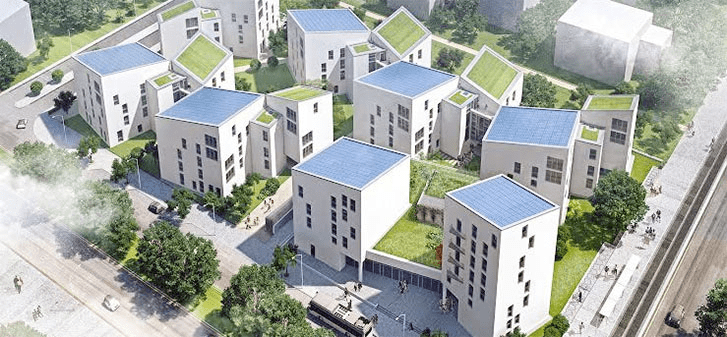
Why Real Estate is the Hardest Currency
As inflationary pressures mount and the Naira continues to fluctuate, many investors are looking for safer places to store their wealth. Real estate, in my experience, is the best hedge against these uncertainties.
Unlike paper currencies, which can lose value due to inflation or government policies, real estate is a tangible, long-term asset that tends to appreciate over time. When carefully selected, properties not only hold their value but also provide a reliable source of income through rental yields. Over the years, I have seen firsthand how the value of well-located properties continues to rise, even as the broader economy faces challenges.
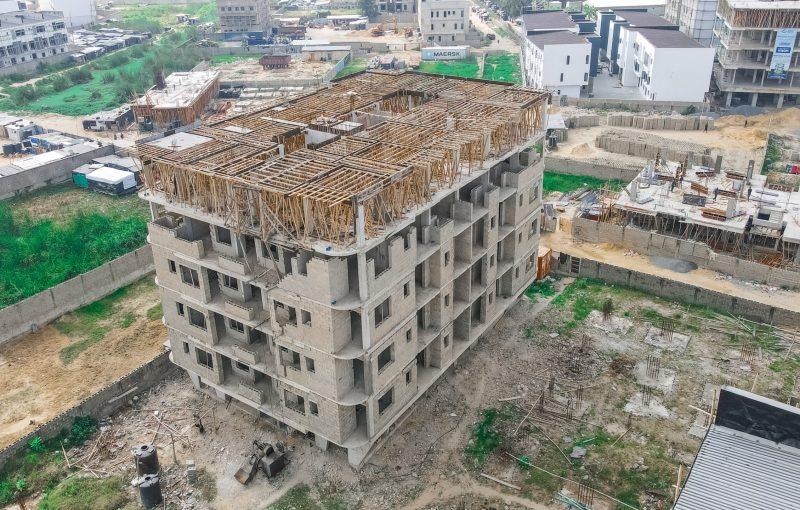
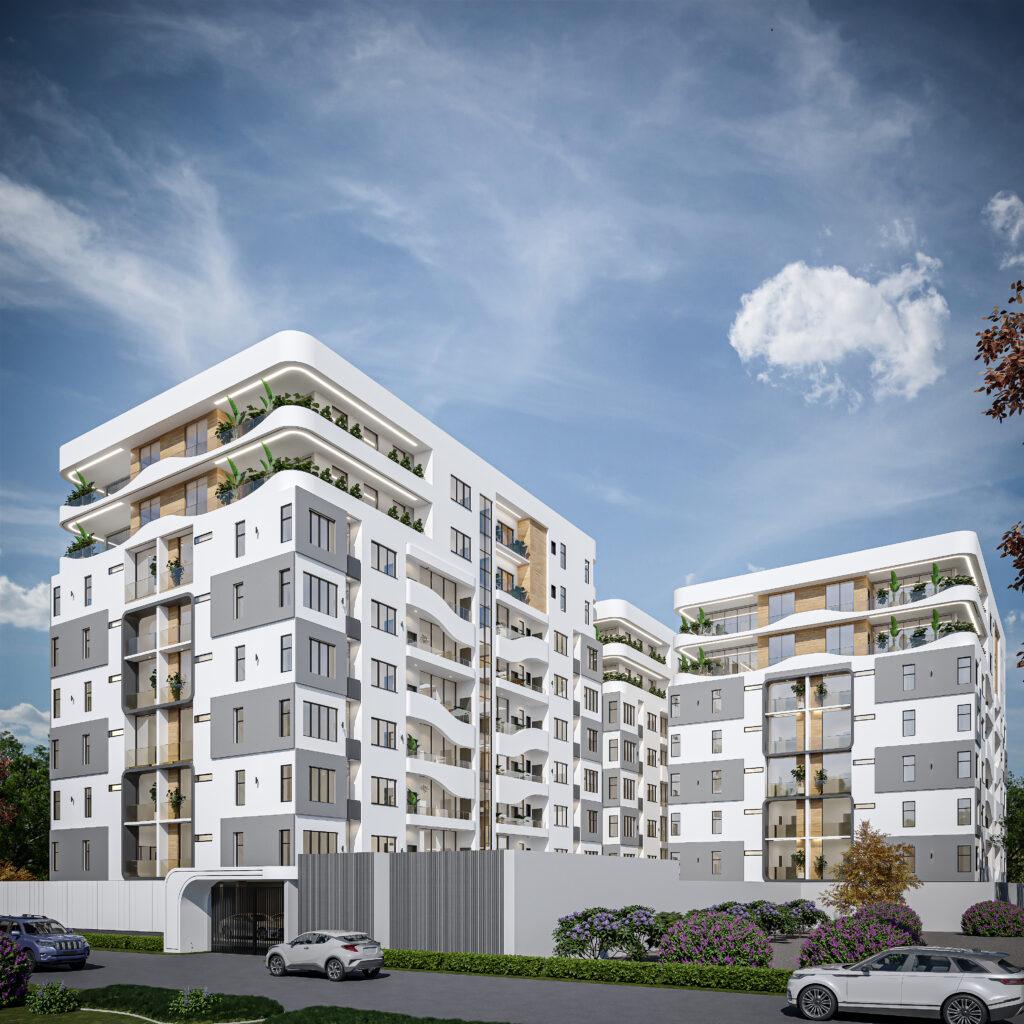
For example, Camberwall Advantage 5 Annex, a 2-3 bedroom apartment development in Lagos, stands as a prime example of how strategically positioned, yield-driven investments can offer stability. While the market fluctuates, developments in high-demand locations always attract tenants, ensuring a steady stream of income for investors. This is the kind of property that can thrive, even as currencies fluctuate, providing security for those looking to protect their wealth.
Key Locations to Watch in 2026
When it comes to real estate, location is always a critical factor. In my years of experience, I’ve learned that investing in high-demand locations is key to ensuring long-term returns. While Lagos and Abuja remain strong contenders for real estate investment, there are a few emerging cities across Africa that should not be overlooked.
Real Estate as a Hedge Against Currency Volatility
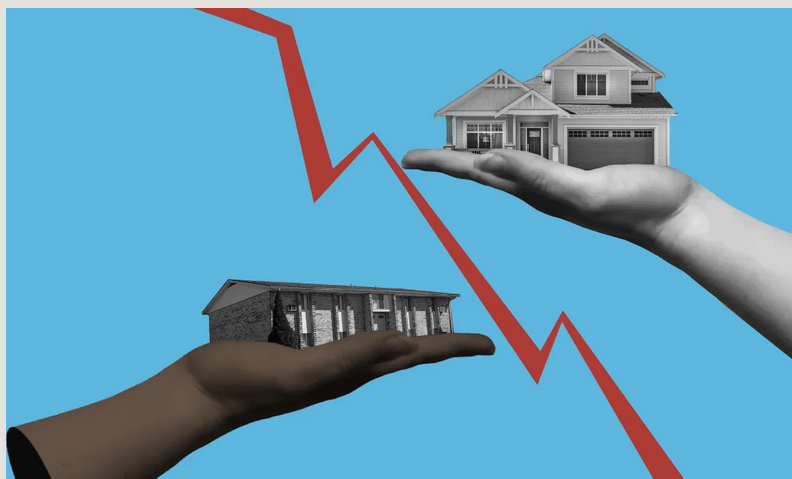
As inflation in Nigeria rises, with the 15.10% inflation rate in January 2026, real estate investment is becoming more important than ever. Real estate offers protection against the devaluation of currency and rising inflation, making it a crucial asset for safeguarding wealth. Unlike stocks or bonds, which can be highly volatile, real estate provides both long-term capital appreciation and a consistent stream of rental income.
In my career, I have witnessed how real estate has consistently performed better than many other asset classes during periods of currency devaluation. While the Naira can be unpredictable, properties that generate rental income, such as apartments and commercial spaces, offer a steady and reliable return on investment.

The Path Forward: Real Estate as a Reliable Asset in 2026 and Beyond
As we move forward into 2026, it’s clear that the future of African real estate lies in yield-driven investments. Speculative buying is no longer a viable strategy for most investors, especially in the face of rising inflation and currency fluctuations. Instead, investors must focus on properties that can offer a consistent income stream, alongside long-term value appreciation.
For those looking to hedge against currency volatility, real estate remains one of the most effective tools available. Whether through strategic land investments or well-positioned rental properties, investors who focus on income-generating assets will be best positioned to weather the economic storms that lie ahead.
Real estate is, and always has been, Africa’s hardest currency. By focusing on yield-driven investments and key urban markets, investors can build a robust portfolio that not only withstands inflation but thrives in an unpredictable economic climate. In the coming year, those who embrace this shift in strategy will position themselves for success — and for long-term financial security.
Real estate rewards the people who understands the market and invest early. If you would like us to walk you through your options, you can book a free one to one consultation below.
Get in touch with our team for inquiries, personalized consultations, or to explore our prestigious developments.


